After fifteen years running a packaging factory, I hear the same three questions from nearly every first-time buyer:
"What's your minimum order quantity?"
"How fast can you send samples?"
"Will the bulk production match the sample colour?"
Fair questions. And I'm going to answer all of them — plus a few things most suppliers won't tell you until after you've placed the order.
1. Can You Really Order Just 500 Pieces?
Yes. And it's becoming the norm, not the exception.
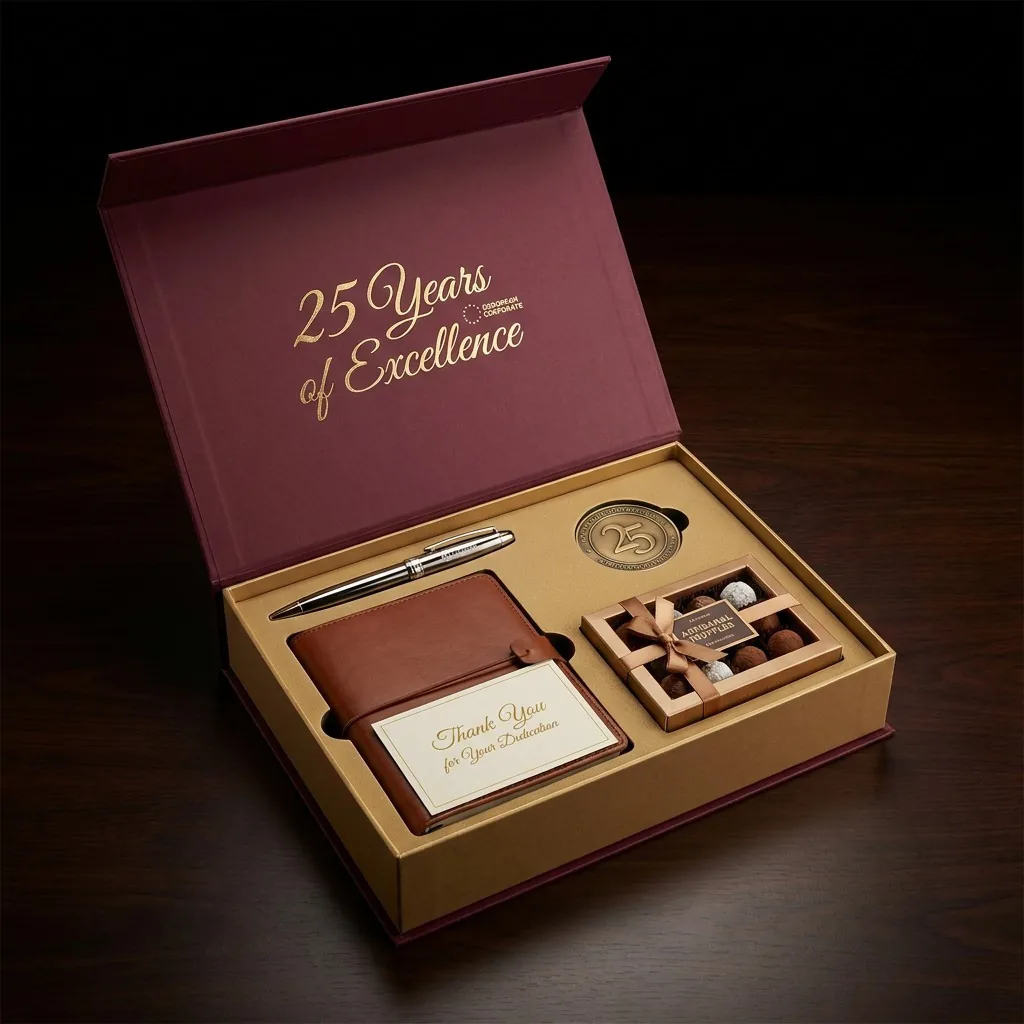
Small-batch custom packaging is no longer a "special request" that only large factories grudgingly accept. More and more manufacturers — including us — now offer a low MOQ of 500 units as standard. This is ideal for startup brands testing a new product line, e-commerce sellers launching a private label, trade show samples, and limited-edition gift sets.
Low MOQ does not mean compromised quality. The same Heidelberg press. The same paper stock. The same experienced operators. The only difference is that the die-cutting tooling cost is amortised across fewer units — which brings us to the pricing question.
2. How Fast Is Sampling?
Printed physical samples in 1–3 days.
Rush jobs can go out same-day with a surcharge. But speed isn't the point — accuracy is. Here's what actually matters in a custom packaging sampling process:
- Same materials as bulk production. The paper, ink, and finishing materials used for your sample must be identical to what will run on the full order. If a supplier switches to cheaper stock for sampling, the sample is worthless — you're not evaluating the product you'll actually receive.
- Samples should cost money. This sounds counterintuitive, but a factory that offers completely free samples with no questions asked is often using leftover or low-quality materials. Reasonable sample fees are a signal that the factory values its time and materials enough to use the real thing. In most cases, sample fees are deducted from the bulk order.
Our process: sample produced → photographed and sent to client for approval → confirmed → bulk production begins. No back-and-forth. No surprises.
3. Will the Bulk Order Match the Sample Colour?
Colour consistency between sample and bulk is the single most common concern — and the one that separates good factories from the rest.
Here's how we handle it — and what to demand from any supplier:
- Same machine, same operator, same batch of paper. The sample and the full production run are printed on the same Heidelberg press. The press operator who calibrated the sample is the same person running the job. The paper stock is from the same ream. No variables change between sample and bulk.
- No mid-run adjustments. Once the press is set and the colour is approved, the operator does not touch the ink keys. Consistency is locked in.
- Full inspection before packing. Every sheet is checked against the approved sample. Inconsistent colour gets pulled and reprinted — before it reaches a shipping carton.
In fifteen years, colour mismatch returns have been extremely rare. When they do occur — and I mean genuine cases, not buyer's remorse — we cover the full cost. No disputes. No delays.
4. Is Low MOQ Packaging Significantly More Expensive?
Honest answer: a 500-unit order will typically cost 15–25% more per unit than a 5,000-unit order. The premium comes from two fixed costs — press setup and die-cutting tooling — spread across fewer pieces.
But "more expensive per unit" doesn't mean "worse value." Consider the alternative: ordering 5,000 units to hit a lower unit price, selling 2,000, and warehousing the remaining 3,000 for two years. That's real money tied up in cardboard. For most small and mid-sized brands, low-volume packaging — iterate fast, test the market, reorder when you have traction — is the smarter financial decision.
The true waste isn't the unit price premium. It's inventory that sits unsold. We've watched enough brands learn this the hard way.
5. How to Verify a Packaging Factory — Without Getting On a Plane
Most international buyers can't visit factories in person. That's fine. Here are three verification methods that work remotely — and the specific responses that separate real manufacturers from trading companies.
① Ask for real-time equipment photos or a video walkthrough.
A genuine packaging factory has specific capital equipment: a printing press (offset, not digital-only), a laminating machine, a die-cutting machine, and a hot foil stamping press. These are big, expensive, and hard to fake in a real-time video. If the supplier sends only carefully staged photos from a single angle, or claims the factory is "being renovated so we can't film right now," treat that as a red flag.
② Ask specific technical questions — and listen to how they answer.
Don't ask "Do you do foil stamping?" That's too easy. Ask: "For a matte black rigid box with gold foil, do you recommend hot stamping or cold foil — and why?" A factory owner or experienced sales engineer will answer with specifics: foil brand, pressure settings, substrate compatibility, and which approach produces the sharper metallic edge on dark stock. A trading company will give you a vague "both are good depending on your needs" response. Speed and confidence in the reply tell you everything.
③ Ask about repeat client retention.
Ask: "What percentage of your clients reorder within 12 months?" A factory that genuinely delivers quality has a measurable reorder rate. If the supplier can't give you a number, or deflects with "we have many satisfied customers," they either don't track it (bad operations) or don't want to share it (bad numbers).
Red Flag Checklist — Distant Factory Communication
- "Our factory is being renovated, we can't send photos right now."
- "Both options are good depending on your needs." (without specifics)
- Cannot name the brand of foil, paper, or press they use.
- Refuses sample fees — free samples at zero cost to you usually mean zero effort on their side.
- Cannot provide a single reference client you can contact directly.
6. What Separates a Good Packaging Supplier From a Great One
Beyond the basics — MOQ, sampling speed, colour accuracy — three things distinguish suppliers worth long-term partnership:
- They tell you when something won't work. A supplier who says "yes" to every request is a supplier who doesn't care about the result. The best ones will tell you if your box size makes flat-packing uneconomical, or if your insert material choice will cause transit damage. They protect you from your own assumptions.
- They have documented quality processes. Not "we check quality." That's vague. Look for specific inspection gates — what's checked, by whom, at which stage, against which standard. Our box gluing process has three inspection checkpoints. Foil stamping has a fingernail-adhesion threshold. Those are documented. That's the difference.
- They're reachable during your time zone. A supplier who only responds during their local 9-to-6 — and your midnight — will add days of latency to every decision. Check response patterns during your first few email exchanges, before you place an order.
The Bottom Line
Choosing a custom packaging manufacturer isn't about finding the lowest unit price. It's about finding a supplier whose process — from pricing transparency to sampling accuracy to quality documentation — makes your life easier, not harder.
The right supplier protects your timeline, your brand quality, and your reputation. The wrong one protects only their margin.
If you're evaluating suppliers for your next packaging project, we're happy to provide a detailed breakdown of our MOQ, sampling process, quality documentation, and pricing structure — whether you decide to work with us or not. A good decision starts with good information.