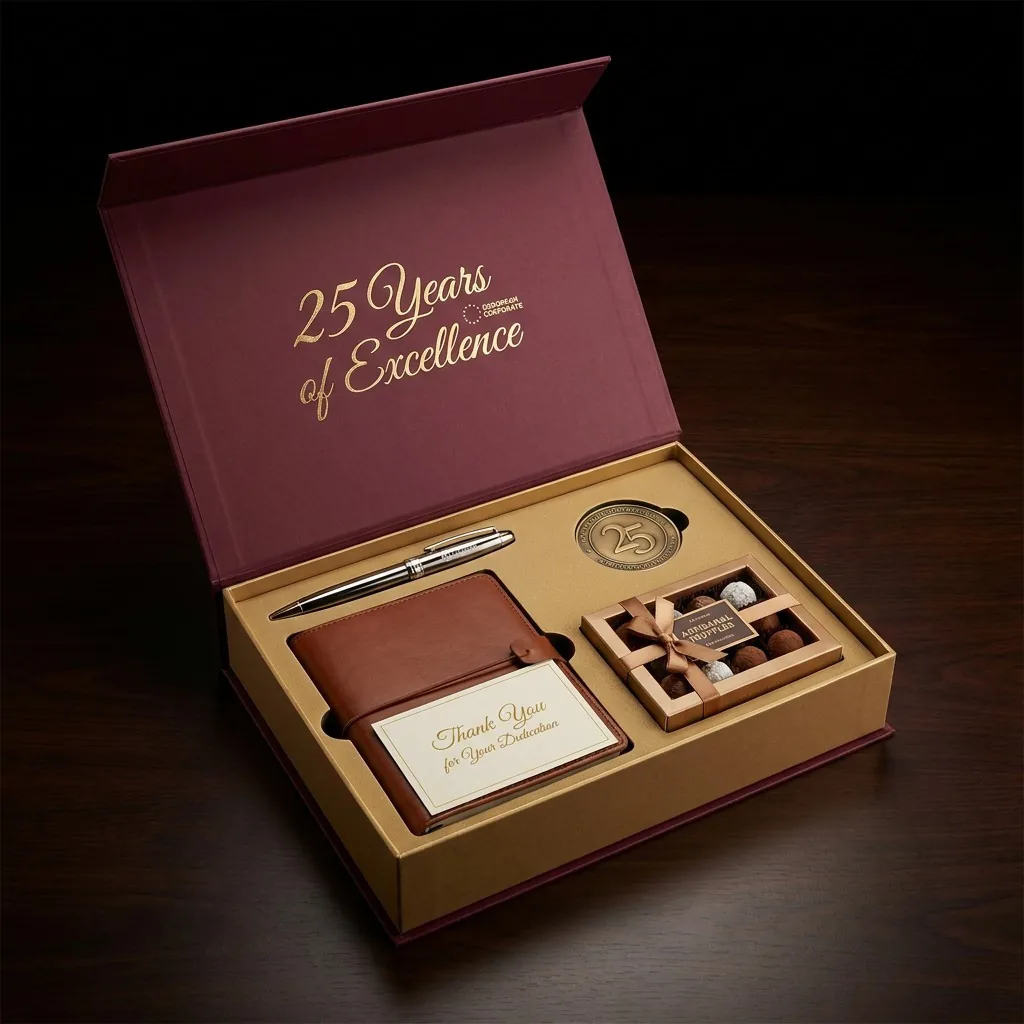
When buyers inspect a shipment, their eyes go straight to the foil — is it bright? Is the printing vivid? And then they sign off.
They miss the single most common cause of full-batch rejection in custom packaging: box gluing.
If paper and printing are the "skin" of a luxury box, then box gluing is the skeleton. Skin can be touched up. Bone — if it's crooked — makes the entire box scrap. In fifteen years running a packaging factory in Shenzhen, I've seen more shipments rejected for bad gluing than for any printing defect.
Today, no machine parameters. No technical jargon. Just three gluing defects you can detect with your bare hands — and a simple routine that takes sixty seconds.
The Three Deadly Box Gluing Defects
Glue Overflow — The Obvious Error That Should Never Happen
VisibleIrreversibleThis is the most basic packaging gluing defect — and the one quality control should catch before anything leaves the factory.
What it looks like: Adhesive seeps out from the seam, drying into hard transparent bumps, or yellowish-white glue stains visible on the box surface.
Root cause: Excessive glue application — either the glue roller pressure wasn't calibrated, or an operator's hand slipped and transferred adhesive onto the panel surface.
Why it's catastrophic: A box with glue overflow cannot be repaired. It must be scrapped. If it somehow ships, the customer brushes their finger across the seam and feels a sticky, rough residue — the brand impression evaporates in that instant.
How to check: Run your finger along every glued seam. The surface should be absolutely smooth. Any drag, resistance, or roughness = glue overflow. Reject the shipment.
Seam Gaps — The Proof of Rushed Production
StructuralFunctional FailureThis is the most common issue from small workshops racing to meet a deadline.
What it looks like: Visible cracks between the lid and base, or at corner joints — wide enough to slide a business card through.
Root cause: Uneven glue application, or insufficient pressing time — the adhesive hasn't fully cured before the box moves to the next station.
Why it's catastrophic: Gaps are not just a cosmetic flaw. They're a seal failure. Dust enters the box. Humidity enters the box. For food packaging, pharmaceutical cartons, cosmetics, and electronics — this is a contamination risk, not just an appearance issue.
How to check: Inspect the four interior corners of every box. Quality box gluing produces seams that close completely — no daylight visible. Poor gluing leaves corners visibly open. Check at least three boxes from different points in the shipment.
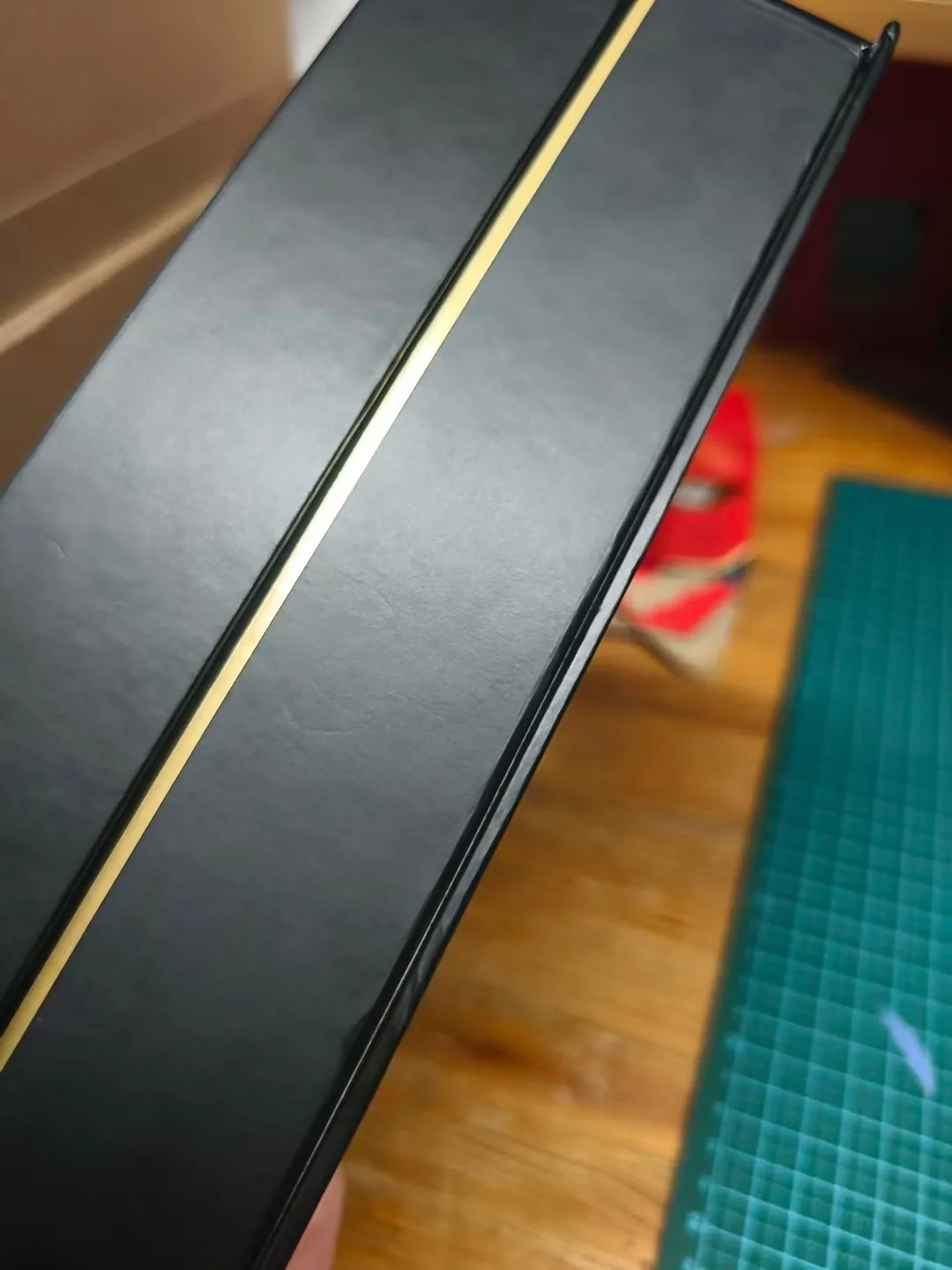
A clear seam gap visible at the interior corner. This box would fail inspection — dust, moisture, and contaminants enter through these openings.
Corner Bursting — The Structural Failure
StructuralTransport RiskThis is the defect most likely to appear during transit — and the hardest to dispute with your supplier after delivery.
What it looks like: Box corners crack open. The greyboard becomes exposed. In severe cases, the entire corner splinters or collapses.
Root cause: Low-quality greyboard (too brittle or too soft), insufficient scoring depth, or fold lines that weren't pressed deeply enough — causing paper fibre rupture when the board is folded. Often, corner bursting reveals multiple failures: cheap greyboard material AND rushed production both contribute.
Why it's catastrophic: A rigid box with burst corners cannot stand upright, let alone protect the product inside. This is a structural packaging failure, not a cosmetic one.
How to check: Pinch each corner firmly between thumb and forefinger. A properly constructed box resists firmly — no give, no dent, no sound. A weak box will feel soft, indent visibly, and sometimes produce a tearing or crackling sound from the paper fibres separating.
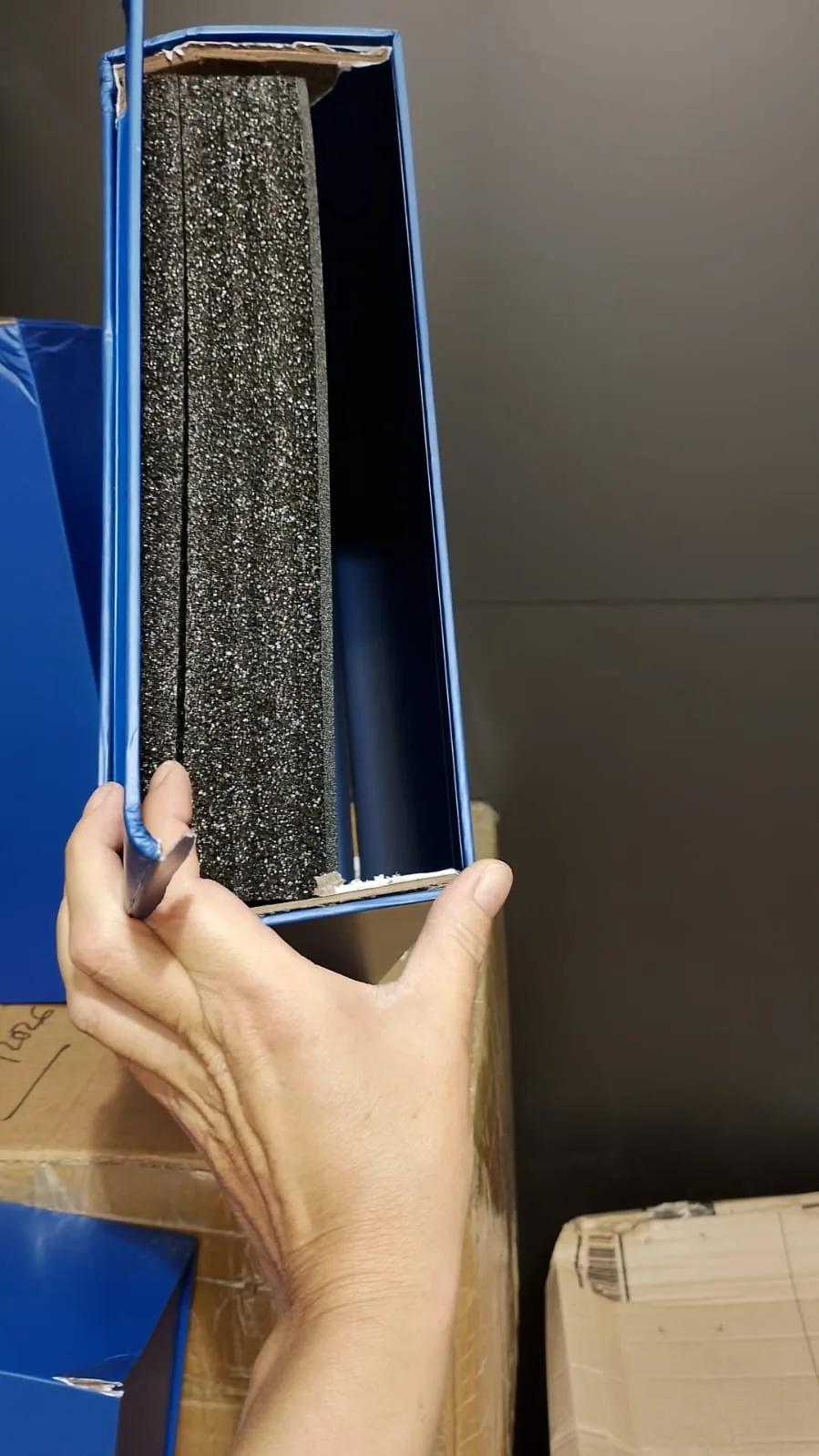
Corner bursting on a rigid box. The greyboard is exposed and the edge has splintered — a structural failure that cannot be repaired. This box cannot protect its contents during shipping.
Why We Run Three Inspection Gates
At JD Packaging, the box gluing station operates under three non-negotiable rules:
Our Three Gluing Rules
- Machine gluing with manual re-check. Automated machines ensure consistent speed and volume. But complex box structures and critical corner joints are manually inspected and reinforced by experienced operators — every single box.
- Controlled adhesive volume. We apply the minimum effective glue quantity. Less is better — because excess glue cannot be undone, but insufficient coverage can be caught and corrected during inspection.
- Full cure before shipping. Every box rests after gluing — no exceptions. The adhesive must reach maximum bonding strength before the box enters a shipping carton. If production runs late, the shipment waits. The cure cycle is not negotiable.
And three inspection gates, from print to pallet:
- First inspection — at the machine. The operator checks seams, corners, and adhesive coverage before the box leaves the gluing station.
- Second inspection — manual re-check. A second pair of eyes verifies the first inspection, catching anything the machine-speed check missed.
- Final inspection — pre-packing. Every box is examined one last time before it enters the outer carton. Corner integrity, seam closure, and surface cleanliness.
Three gates. Three separate people. Because the cost of a rejected shipment is always higher than the cost of catching the defect in-house.
Quick Reference: Gluing Quality Checklist
- Run your finger along every seam — surface must be completely smooth (no roughness = no glue overflow)
- Check all four interior corners — seams must close completely, zero visible gap
- Pinch every corner — firm resistance, no denting, no cracking sound
- Open and close the lid 5 times — no change in alignment, no loosening
- Sample from beginning, middle, and end of the production run — consistency across the batch
One Box Design Feature That Protects Against Gluing Failures
If you're specifying a new box design and want to minimise the risk of gluing defects, consider the collapsible rigid box structure. Because it is scored, folded, and magnetically closed, it eliminates many of the glue-dependent joints that cause failure in traditional luxury rigid boxes. Less glue = fewer failure points. The structure does the work.
The Bottom Line
Printing and foil stamping catch the buyer's eye. But box gluing is what keeps the box standing, the product protected, and the brand intact from factory floor to customer doorstep.
The most expensive box is the one you have to replace. The second most expensive is the one that arrives at your warehouse with burst corners, glue stains, and seam gaps — because the supplier was in a hurry and hoped you wouldn't check.
Check the skeleton. Not just the skin.