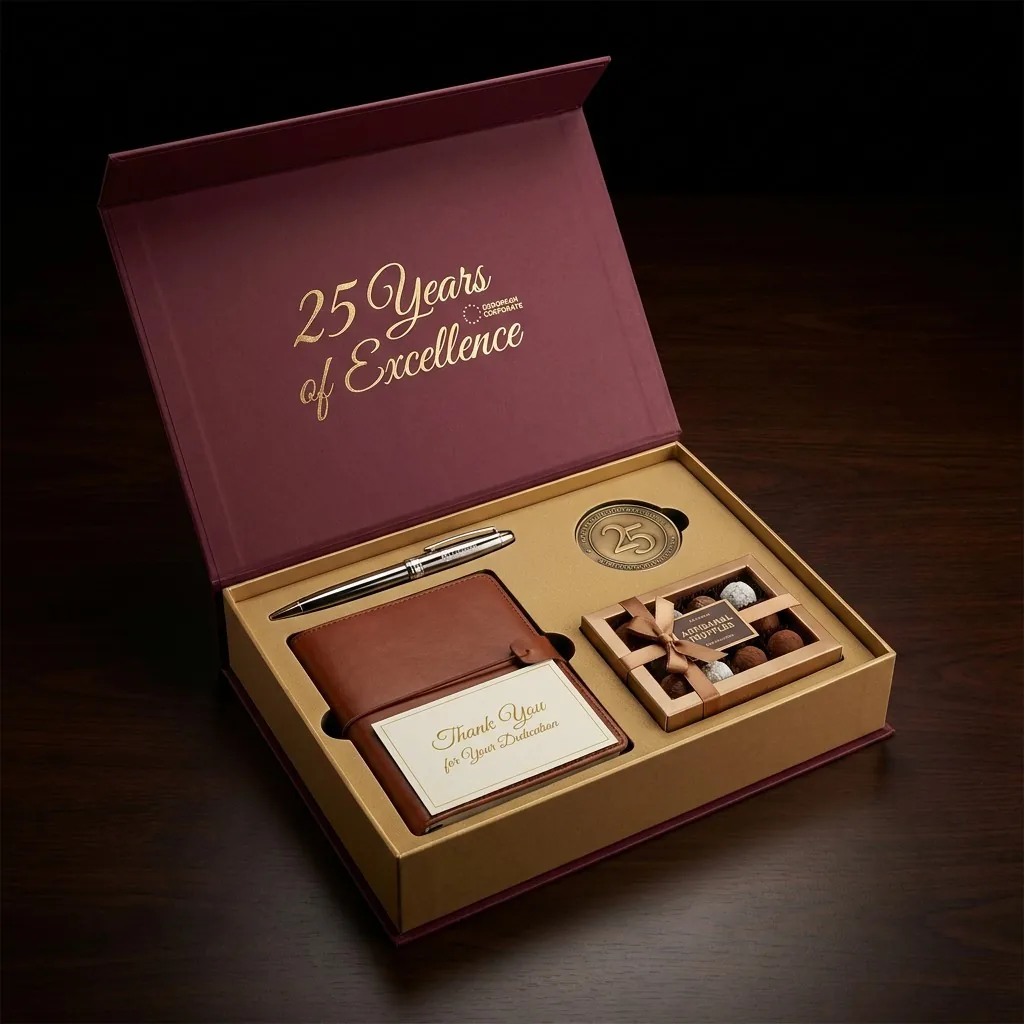
In custom luxury packaging, color is the primary anchor of brand identity. When a consumer encounters a luxury perfume box, a cosmetic gift set, or an e-commerce subscription box on retail shelves, an off-hue logo or inconsistent background tint immediately damages brand perception.
Yet color discrepancy remains the single most common cause of packaging rejection and prepress dispute between overseas buyers and print packaging manufacturers. A brand designer perfects a signature corporate hue on a calibrated RGB monitor; the packaging arrives from overseas looking visibly desaturated, muddy, or shifted in cast. What went wrong?
Color reproduction across physical packaging is governed by optical physics, substrate absorbency, and press chemistry. This comprehensive guide details the technical differences between four-colour process CMYK printing and the Pantone Matching System (PMS), explaining when to specify spot inks, how surface laminations shift color values, and how professional packaging factories achieve Delta-E color consistency across mass production runs.
The Fundamental Difference: Process CMYK vs. Spot Pantone Inks
To prevent color errors, buyers must understand the mechanical difference in how ink transfers onto paper on an industrial offset printing press:
1. Four-Colour Process (CMYK)
Process printing builds full-spectrum color by superimposing microscopic halftone dot screens of four translucent base inks: Cyan (C), Magenta (M), Yellow (Y), and Key/Black (K).
- How it Works: Halftone dots range from 1% to 100% density. By angling dot rasters across four dedicated printing units (typically at 15°, 45°, 75°, and 0°), process printing tricks the human eye into perceiving continuous color tones.
- When it is Ideal: Photographic imagery, complex multi-color artwork, realistic product illustrations, and gradients featuring continuous tonal transitions.
- The Limitation: Because CMYK relies on visual optical blending of four separate liquid ink layers, slight micro-variations in press ink-fountain keys, water-ink balance, or cylinder pressure can shift the blended hue throughout a production run. Furthermore, the CMYK color gamut is physically incapable of replicating ultra-vibrant neons, deep saturated solids, or metallic sheens.
2. Pantone Matching System (PMS Spot Colors)
Unlike CMYK halftones, a Pantone spot color is a single, pre-mixed liquid ink blended to an exact formula in an ink kitchen before it ever touches the printing press.
- How it Works: Formulated from 18 basic color pigments mixed according to precise milligram ratios. The spot ink occupies its own dedicated fifth, sixth, or seventh printing unit on the offset press, laying down a solid, 100% uniform ink film across the paper.
- When it is Ideal: Corporate logos, signature brand background panels, fine vector typography, and critical brand colors that must match flawlessly across diverse packaging formats—such as our magnetic luxury gift boxes, corrugated shipping mailers, and retail paper shopping bags.
- The Advantage: Zero halftone dot rosettes, perfectly smooth solid coverage without graininess, and guaranteed Delta-E consistency from the first sheet off the press to the 50,000th box.
Why Your On-Screen Design Differs from Printed Packaging
The primary source of color misalignment begins during digital artwork creation. Three physical barriers separate digital screens from printed packaging board:
- RGB (Transmissive Light) vs. CMYK/PMS (Subtractive Pigment): Computer monitors display colors by projecting light through Red, Green, and Blue subpixels. Paper displays color by absorbing (subtracting) light waves through physical ink pigments. The visible color gamut of an RGB screen is significantly wider than the physical color space achievable on paper. Fluorescent teals, hyper-saturated electric blues, and vivid corals that glow on a monitor simply cannot be printed using standard process inks.
- Substrate Surface Energy and Ink Absorption: The exact same Pantone spot ink will look noticeably different when printed on 157 gsm coated art paper versus unbleached brown virgin kraft paper. Coated paper holds the ink pigment on the surface for maximum reflection; uncoated kraft absorbs ink deep into raw cellulose fibers, muting brightness. This is why Pantone produces two distinct swatch reference libraries: Pantone Formula Guide Coated (C) and Uncoated (U).
- Post-Print Surface Lamination Shifts: Applying a protective transparent film over printed inks alters how light refracts before hitting the pigment. High-gloss film lamination enriches dark tones and deepens color contrast; soft-touch velvet matte lamination introduces a slight optical diffusion that softens contrast and can lighten deep black or navy tones by 3% to 5%.
Comparative Decision Matrix: CMYK vs. Spot Pantone
| Feature | CMYK Process Printing | Pantone (PMS) Spot Colors |
|---|---|---|
| Ink Preparation | 4 standard process inks (Cyan, Magenta, Yellow, Black) | Pre-mixed dedicated ink formula per PMS code |
| Coverage & Texture | Microscopic halftone dot screen rosettes | 100% solid, smooth, grain-free ink film |
| Color Repeatability | ΔE ≤ 2.5–3.5 across large runs | ΔE ≤ 1.5 strict consistency |
| Best Application | Photographs, multi-color artwork, continuous gradients | Brand logos, solid backgrounds, exact typography |
| Plate & Setup Cost | Standard 4-plate setup | Requires dedicated plate + press wash-up fee per spot hue |
| Hybrid Strategy (CMYK + PMS) | The Luxury Industry Standard: 4-colour CMYK for imagery + 1 or 2 PMS spot units for logo & background | |
How Professional Packaging Factories Ensure Color Consistency
To eliminate color disputes before bulk production runs, professional packaging manufacturers deploy a multi-stage color management workflow:
- Spectrophotometer Calibration & Delta-E Tolerances: On-press pressmen do not judge color by human eye alone. We utilize handheld X-Rite spectrophotometers to measure spectral reflectance across color bars. The international metric for color variance is Delta-E (ΔE). A ΔE under 1.0 is imperceptible to the human eye; professional commercial packaging runs operate within a tight tolerance of ΔE ≤ 2.0 against approved master physical color swatches.
- Dedicated Physical Ink Matching & Drawdowns: When a buyer specifies a Pantone PMS code, our ink laboratory blends the spot ink using high-precision digital scales. We produce a physical “ink drawdown” onto the client's actual production paper stock (coated art paper or kraft) and apply the specified matte or gloss lamination to confirm final dry-color fidelity.
- Physical Proofing with 1–3 Day Turnaround: We provide full structural, physical printed prototypes in 1–3 business days. Buyers can physically hold the proof under their retail lighting environments to sign off on color before volume manufacturing begins.
- High-Resolution Video Proofing for Urgent Schedules: For international clients on tight product launch schedules unable to wait for courier sample transit, our prepress engineering team films calibrated 4K video inspections comparing the press proof sheet directly alongside physical Pantone Formula Guide swatches under standardized D50/D65 5000K daylight booths.
Checklist for Designers: Preparing Print-Ready Packaging Files
Follow these five prepress rules when preparing artwork files for packaging production:
- Work in CMYK / Spot Mode: Convert all RGB graphic elements to CMYK before submitting artwork. For corporate brand marks, assign exact Pantone Solid Coated (e.g. Pantone 186 C) swatches rather than process approximations.
- Provide Vector Outlines: Supply dieline vector artwork in Adobe Illustrator (.AI), PDF, or EPS formats with all typography converted to vector outlines (Create Outlines / Ctrl+Shift+O).
- Specify 300 DPI at 100% Scale: Any raster photography or textures must carry a resolution of at least 300 DPI at full reproduction size.
- Include 3 mm to 5 mm Bleed: Ensure background colors and graphic patterns extend 3 mm beyond die-cut trim lines to prevent raw white edges during rotary die-cutting.
- Read our complete technical guide on why AI packaging designs fail at the printer for an in-depth prepress walkthrough.
Frequently Asked Questions
Can CMYK accurately reproduce a Pantone metallic or neon color?
No. Metallic inks contain real suspended microscopic bronze or aluminum flakes that reflect light directionally; neon inks utilize fluorescent pigments that absorb UV light and re-emit it within visible wavelengths. Standard CMYK process printing cannot replicate these optical effects. For metallic logos, specify Pantone Metallic spot inks or choose hot foil stamping.
Why do printed colors look different under office lights versus sunlight?
This optical phenomenon is known as metamerism, where two color samples match under one light source (such as standard fluorescent office bulbs) but appear visibly different under another (such as natural daylight or warm incandescent retail lighting). Professional print reviews must always take place under standardized 5000K (D50) daylight inspection lamps.
What is the minimum order quantity for Pantone spot printing?
Our production minimum starts from 200 pieces. Because our multi-unit offset presses accommodate 4 to 6 printing units in a single pass, we can run CMYK process printing plus dedicated Pantone spot inks on small initial runs without requiring multi-thousand unit commitments.
How long does it take to produce printed samples with custom Pantone matching?
Physical printed samples featuring bespoke spot inks and protective laminations are completed in 1–3 business days. Mass manufacturing takes 10–15 business days after final physical proof approval.