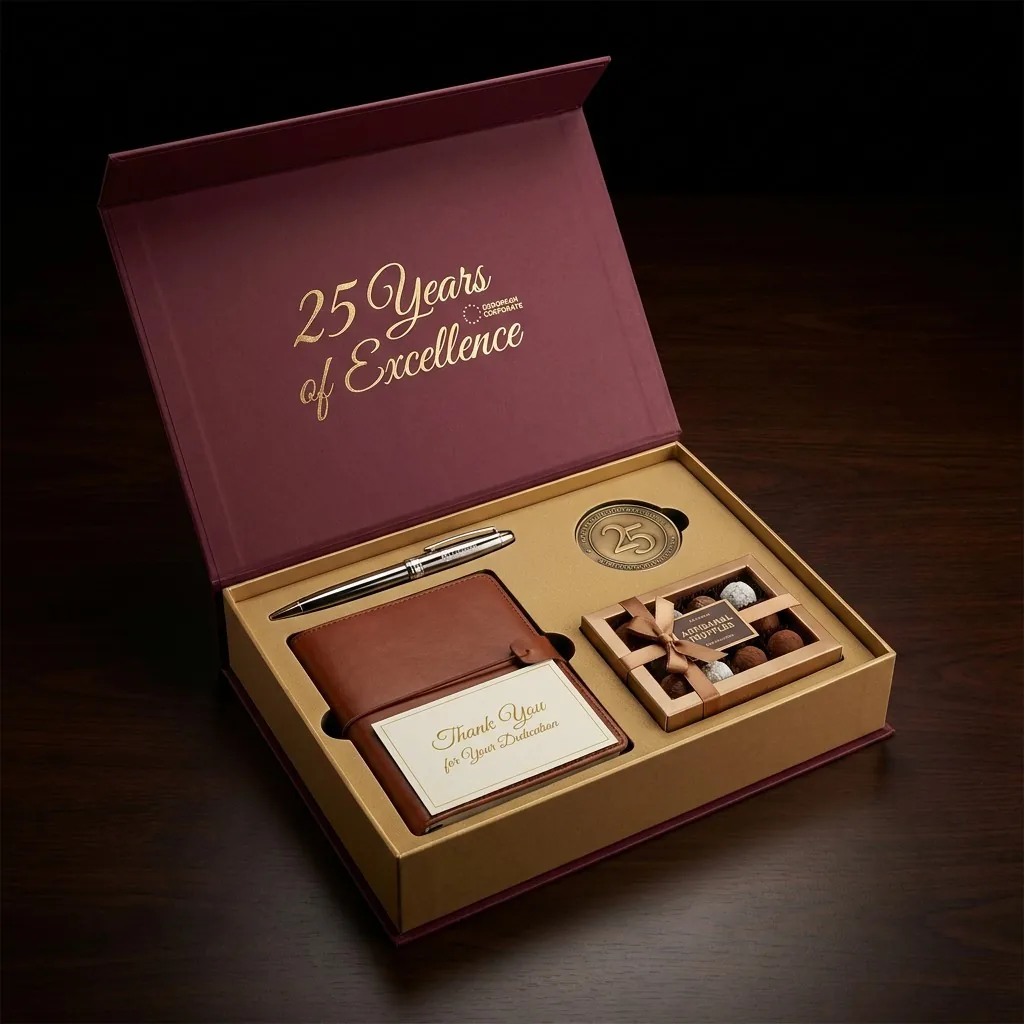
In international luxury and retail packaging, traditional protective cushioning has long relied on petrochemical foams: high-density EVA (ethylene-vinyl acetate), EPE (expanded polyethylene pearl cotton), and thermoformed plastic blister trays. These materials deliver proven vibration damping and shock absorption, but they create a mounting regulatory and reputational liability for overseas brands.
Across the European Union, the United Kingdom, and environmentally progressive North American markets, tightening packaging waste regulations, plastic tax directives, and corporate ESG (Environmental, Social, and Governance) disclosure mandates are forcing brand owners to eliminate non-recyclable plastic packaging. When a customer opens a premium gift box made from certified paperboard only to find non-biodegradable foam inside, the sustainability promise collapses at the unboxing moment.
Achieving zero-plastic packaging does not require compromising product safety during international courier transit. By replacing petroleum foams with engineered bio-based alternatives—such as precision-molded sugarcane bagasse pulp, multi-ply die-cut corrugated dividers, and biodegradable water-based coatings—brands can meet strict circular economy standards while preserving premium presentation.
The Environmental and Regulatory Driver: Why Foam is Being Phased Out
For brands distributing goods in international markets, the transition away from plastic foam is driven by three compounding commercial pressures:
- Extended Producer Responsibility (EPR) Schemes: In countries like France, Germany, and the UK, manufacturers and brand importers pay municipal waste recovery fees based on packaging weight and material recyclability. Non-recyclable composites and polymer foams attract the highest tier eco-tariffs, directly penalizing profit margins.
- Plastic Packaging Taxes: Regulations such as the UK Plastic Packaging Tax impose statutory surcharges on plastic components containing less than 30% recycled content. Because virgin EVA foam and thermoformed blister inserts rarely incorporate certified recycled feedstock, they trigger mandatory import penalties.
- Monolithic Single-Stream Recyclability: When a rigid box uses a paperboard exterior with an EVA foam interior bonded with permanent glue, consumers cannot separate the components for curb-side recycling. The entire package ends up in municipal incineration or landfills. In contrast, 100% paper-based mono-material packs are effortlessly recyclable in standard municipal paper streams.
1. Molded Sugarcane Bagasse Pulp: The Premier Luxury Bio-Insert
For brands seeking the contoured fit of plastic blister trays or precision foam without synthetic polymers, thermoformed molded fiber pulp represents the gold standard in sustainable structural protection.
Molded pulp has evolved far beyond rough, grey egg-carton textures. We manufacture luxury dry-press molded pulp trays using virgin sugarcane bagasse (an agricultural byproduct of sugar refining) or bamboo fiber. In the dry-press thermoforming process, wet slurry is vacuum-transferred onto heated nickel-plated molds and dried under intense hydraulic compression:
- Pristine Surface Finish: Two-sided heated tool compression produces a satin-smooth, dense surface with zero fiber shedding, matching the tactile refinement of luxury cosmetics and consumer electronics.
- Precision Cavity Tolerances: CNC-machined aluminum tooling achieves contour tolerances within ±0.3 mm, locking glass skincare bottles, dropper vials, and fragrance flacons rigidly in place.
- Rapid Natural Biodegradation: Sugarcane bagasse fiber is 100% commercially compostable and biodegradable within 90 days, releasing zero toxic residues into soil or aquatic environments.
Explore how molded pulp integrates into our custom magnetic boxes to create completely plastic-free gift sets.
2. Precision Die-Cut Kraft and Folding Boxboard Dividers
For multi-item product assortments, confectionery boxes, and cosmetic sets, engineered paperboard fitments provide the most cost-effective and structurally versatile zero-plastic solution.
Using 350 gsm to 450 gsm high-yield virgin kraft board, solid bleached sulfate (SBS), or FSC-certified folding boxboard (GC1/GC2), our structural design engineers create interlocking grid partitions and folded shock-absorbing platforms:
- Interlocking Friction Grids: Precision die-cut slots lock perimeter dividers together without adhesive, compartmentalizing tea tins, chocolate truffles, or essential oil vials.
- Suspension Perimeter Baffles: By scoring reverse perimeter folds beneath the product tray, folded cardstock creates a hollow 10 mm crush zone that absorbs drop impact before energy reaches the enclosed goods.
- Seamless Visual Integration: Paperboard inserts can be offset-printed in matching brand CMYK/Pantone hues, hot foil stamped with logo marks, or laminated with eco-friendly matte aqueous varnish to achieve uniform aesthetics across the entire interior cavity.
3. Honeycomb Paperboard and Corrugated Cushioning
When packaging heavy, fragile items such as organic wine bottles, ceramics, or industrial hardware, lightweight folding cardstock lacks the mass necessary to prevent corner penetration during transit drops. Here, heavy-duty paper cushioning provides an ideal alternative to resilient EPE pearl cotton:
Die-cut E-flute or B-flute corrugated pads and multi-layer hexagonal honeycomb paperboard deliver outstanding compressive strength along their vertical flute axes. When laminated with natural unbleached kraft liners, corrugated insert blocks provide multi-drop impact absorption capable of protecting glass containers weighing up to 3 kg, while keeping the entire shipping unit 100% kerbside recyclable alongside corrugated shipping cartons.
Review our engineering recommendations on our custom corrugated mailer boxes page for sizing external cartons around protective paper inserts.
Comparative Analysis: Sustainable Inserts vs. Conventional Plastics
| Cushioning Material | Recyclability & Circularity | Impact Resistance | Tooling Cost & MOQ |
|---|---|---|---|
| Molded Sugarcane Bagasse Pulp | 100% Biodegradable & Compostable | High rigidity, custom 3D contour fit | Moderate CNC mold tooling; MOQ 1,000 pcs |
| Die-Cut Paperboard Dividers | 100% Kerbside Recyclable (Mono-Material) | Medium; best for partitions & light items | Low die-cutting tooling; MOQ 200 pcs |
| Corrugated Cushioning Blocks | 100% Recyclable with standard cardboard | Very High; ideal for heavy bottles & jars | Low die-cutting tooling; MOQ 200 pcs |
| High-Density EVA Foam (Conventional) | Non-biodegradable; landfill / incineration | Excellent velvet feel & precision grip | Low knife die tooling; MOQ 200 pcs |
| Thermoformed PET Blister (Conventional) | Requires plastic recycling stream | Good geometric hold; rigid plastic snap | Medium copper/aluminum mold; MOQ 1,000 pcs |
Eco-Friendly Surface Finishes: Aqueous Coating over Plastic Lamination
Eliminating plastic from the internal insert is only half the equation; exterior surface treatments also dictate whether paper packaging remains recyclable. Traditional high-gloss or matte lamination bonds a continuous polypropylene (BOPP) plastic film onto the paperboard exterior. While lamination provides excellent abrasion resistance, it requires specialized repulping infrastructure to separate the plastic film from paper pulp during paper recycling.
To achieve a truly zero-plastic certified exterior, we offer Aqueous Dispersion Coatings. Water-based matte or gloss dispersion varnishes are applied in-line during offset printing. Once dried, the microscopic acrylic polymer emulsion shields printing against scuffing and moisture while remaining completely water-soluble during municipal hydropulping. The paperboard breaks down into clean, reusable paper pulp with zero plastic film residue.
How to Transition Your Product Line: A 4-Step Engineering Protocol
Transitioning from synthetic foam to zero-plastic packaging requires systematic engineering verification to ensure drop-test survival rates match or exceed conventional benchmarks:
- Weight and Center-of-Gravity Mapping: Provide our engineering desk with physical product samples or 3D STEP files. We map the center of gravity and evaluate fragile glass wall thicknesses to determine whether folded cardstock, corrugated blocks, or molded pulp provides the required shock attenuation.
- Rapid Prototyping and Digital Dielines: We create structural digital dielines and cut physical sample trays in 1–3 business days. For molded pulp, we utilize 3D-printed resin trial molds to test cavity snap-fit before cutting full-scale aluminum production tooling.
- Drop-Test and Vibration Simulation: We conduct standard ISTA drop tests (dropping packed prototypes from 76 cm onto concrete across 10 orientations) to verify that internal paper baffles absorb kinetic energy without product fracture.
- FSC and Material Compliance Documentation: We furnish full material chain-of-custody certificates, including FSC mix certifications and food-contact compliance declarations for your import customs clearance.
Frequently Asked Questions
Are zero-plastic paper inserts more expensive than EVA foam?
Folded die-cut cardstock and corrugated inserts are significantly less expensive than EVA foam, delivering immediate unit savings on both material costs and tooling. Molded sugarcane pulp carries higher initial mold tooling costs but matches or beats EVA per-unit costs at production quantities exceeding 2,000 units.
Can molded sugarcane pulp be dyed in custom brand colors?
Yes. While natural unbleached sugarcane pulp yields a warm oatmeal-kraft tone and bleached pulp produces crisp white, we can introduce natural water-based mineral pigments during pulp mixing to achieve solid black, charcoal grey, navy blue, and custom earth tones throughout the fiber body.
What is the minimum order quantity for zero-plastic packaging?
For custom die-cut paperboard and corrugated inserts integrated into rigid boxes or mailers, our production MOQ starts from 200 pieces. For custom-tooled molded sugarcane pulp trays, the production threshold begins at 1,000 pieces due to wet-mold hydraulic press calibration requirements.
How long does it take to produce physical prototypes?
Structural paperboard prototypes and folded insert samples are produced in 1–3 business days. Prototype molded pulp trays produced via CNC rapid tooling typically require 5–7 business days.