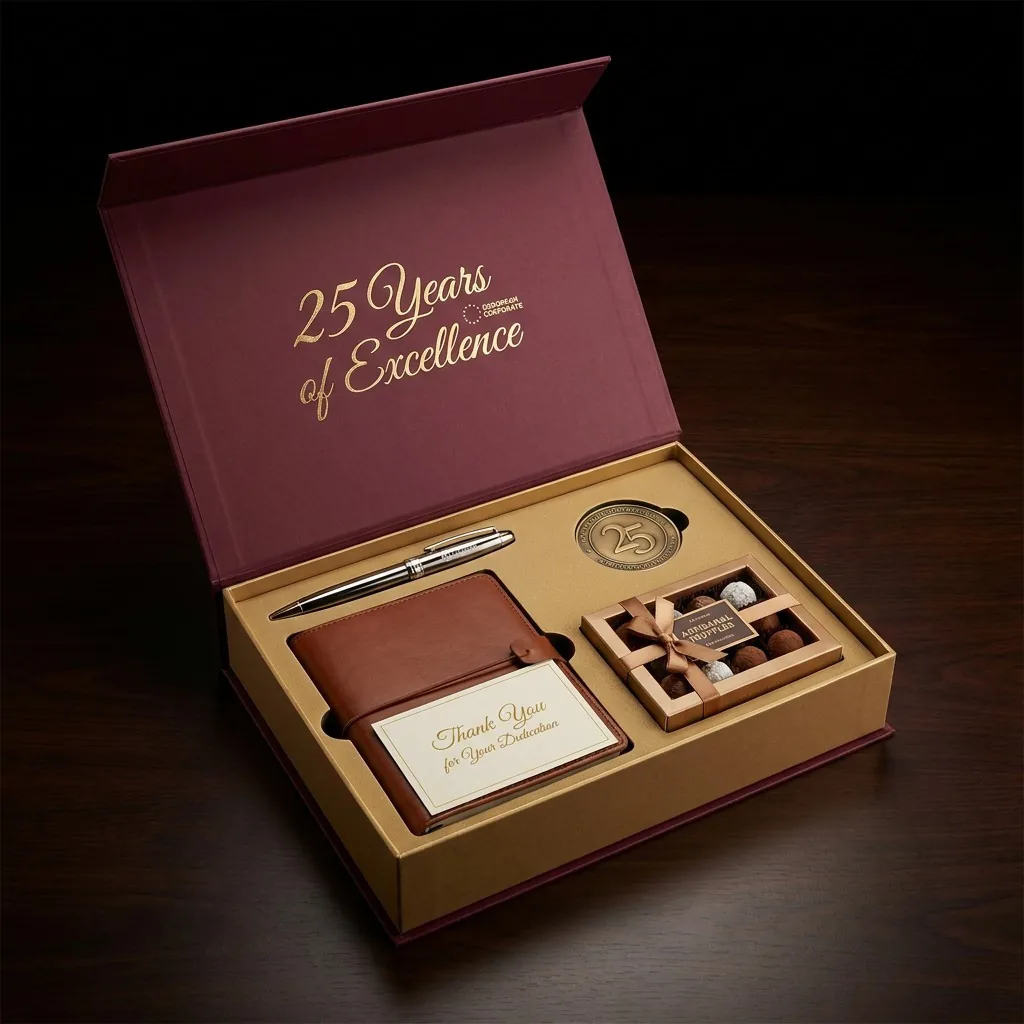
Packaging is often the first physical interaction a customer has with your brand. For luxury products — whether it's jewelry, watches, premium cosmetics, or limited-edition spirits — that first touchpoint can make or break the perceived value of what's inside.
A well-designed rigid gift box (also called a setup box or hardcover box) signals craftsmanship before the product is even revealed. But with so many material, finish, and structural options, choosing the right specification can feel overwhelming. This guide breaks down every decision point so you can specify with confidence.
1. What Is a Rigid Gift Box?
Unlike folding cartons that ship flat and are assembled on-site, a rigid box is pre-assembled — it holds its shape. It's made by wrapping printed paper or fabric around a thick greyboard (chipboard) core, giving it a substantial, premium feel that folding cartons can't match.
Rigid boxes are the standard for:
- Jewelry and watch packaging
- Premium cosmetics and skincare sets
- Electronics and tech accessories
- Corporate gift sets and PR kits
- Limited-edition product launches
2. Choosing the Right Chipboard Thickness
The weight and durability of your box starts with the greyboard. Standard thickness options:
| Thickness | Best For | Feel |
|---|---|---|
| 800 gsm (1.0 mm) | Small boxes, lightweight items, inserts | Moderate rigidity |
| 1,200 gsm (1.5 mm) | Standard gift boxes, cosmetics, most applications | Solid, premium |
| 1,600 gsm (2.0 mm) | Large boxes, heavy products, ultra-luxury | Heavy, substantial |
| 2,000+ gsm (2.5+ mm) | Display cases, collector's editions, maximum luxury | Extremely heavy |
Rule of thumb: Match board thickness to product weight. A 1,200 gsm board is the sweet spot for most luxury applications — it feels substantial without making the box unnecessarily heavy or expensive to ship.
3. Paper Wrapping & Surface Materials
The wrapping material determines both the look and tactile experience:
Coated Art Paper (157–200 gsm)
The most common choice. Offers vibrant CMYK printing with a smooth surface. Available in gloss or matte lamination. Best for designs with photography, gradients, or detailed graphics.
Uncoated / Textured Paper
Natural, tactile, and understated. Ideal for brands that want an organic or minimalist aesthetic. Popular textures include linen, kraft, and felt-marked finishes. Note: uncoated paper scuffs more easily and requires careful handling during production.
Specialty Materials
- Fabric / Linen Wrap: Full textile covering — the ultimate luxury option. Common for jewelry and watch packaging.
- Leather / PU Leather: High-end, durable, distinctive. Adds significant cost but creates a memorable unboxing moment.
- Velvet / Flocking: Soft-touch interior lining, often used for jewelry inserts.
4. Finishing Techniques That Elevate the Box
Finishing is where a good box becomes a great one. The most effective techniques for rigid boxes:
| Technique | Effect | Best Use Case |
|---|---|---|
| Hot Foil Stamping | Metallic sheen (gold, silver, rose gold, holographic) | Logo, brand name, decorative borders |
| Embossing / Debossing | Raised or recessed texture | Logo, pattern, monogram |
| Spot UV | Glossy raised coating on specific areas | Highlighting a logo or graphic element |
| Soft-Touch Lamination | Velvet-like matte surface | Premium cosmetics, tech packaging |
| Die-Cut Windows | Cutout revealing product inside | Display boxes, gift sets |
Pro tip: Combine 2–3 techniques for maximum impact. A matte black box with gold foil logo and debossed pattern creates a layered, high-end look without being busy.
5. Interior Inserts: The Unboxing Experience
The inside of the box is just as important as the outside. A well-designed insert holds the product securely and frames it beautifully when the lid is lifted.
Insert Material Options
- Cardboard / Greyboard: Die-cut to fit your product exactly, wrapped in matching paper or velvet flocking.
- EVA Foam: Soft, shock-absorbent — ideal for electronics, delicate items, or multi-piece sets.
- Satin / Velvet Pillow: Luxury presentation for jewelry, watches, or small accessories.
- Molded Pulp: Eco-friendly option made from recycled fibers. Natural, sustainable aesthetic.
Insert Design Checklist
- Does each product cavity have a finger notch for easy removal?
- Is there a ribbon pull-tab to lift the product out?
- Does the insert height match the box depth so the lid closes flush?
- Are multi-piece sets logically arranged by order of reveal?
6. Closure Types
The closure mechanism affects both security and the opening ritual:
| Type | Description | Best For |
|---|---|---|
| Magnetic Closure | Hidden magnets in lid and base flap — clean, seamless | Most luxury applications |
| Ribbon Closure | Fabric ribbon tie — traditional, romantic | Wedding, gift, jewelry |
| Lift-Off Lid | Separate lid rests on top, no hinge | Display boxes, collector's editions |
| Hinged Lid | Lid attached to base — one-piece opening | Watch boxes, keepsake boxes |
Magnetic closure is the most popular choice for rigid boxes today — it's clean, satisfying to open, and requires no visible hardware.
7. Cost Factors to Consider
Several variables drive the unit price of custom rigid boxes:
Key Cost Drivers
- Quantity: Higher volume = lower unit cost. MOQ typically starts at 500 units for rigid boxes.
- Board thickness: Heavier board = more material cost and higher shipping weight.
- Finishing complexity: Each additional technique (foil + emboss + spot UV) adds a separate production step.
- Insert complexity: A simple die-cut card insert costs far less than a custom flocked EVA tray.
- Box dimensions: Larger boxes use more material and cost more to ship internationally.
- Specialty materials: Fabric wrap or leather adds 40–80% to the base cost vs. paper wrap.
For budget planning, typical rigid gift boxes range from $1.50 to $8.00 per unit at standard MOQ (500+ pcs), with luxury finishes and specialty materials at the higher end.
8. Your Specification Checklist
When you're ready to request a quote, have these details ready — it'll speed up the process and ensure accurate pricing:
- Box dimensions (L x W x H in mm or inches)
- Board thickness preference (or product weight for recommendation)
- Surface material (coated paper, uncoated, fabric, leather)
- Print design — do you have artwork ready, or need design support?
- Finishing techniques desired
- Closure type
- Insert requirements — what does the insert need to hold?
- Target quantity
- Reference images of boxes you like
At JD Packaging, we provide a free 3D mockup of your design before you commit to sampling — so you can visualize every detail and revise until it's perfect.