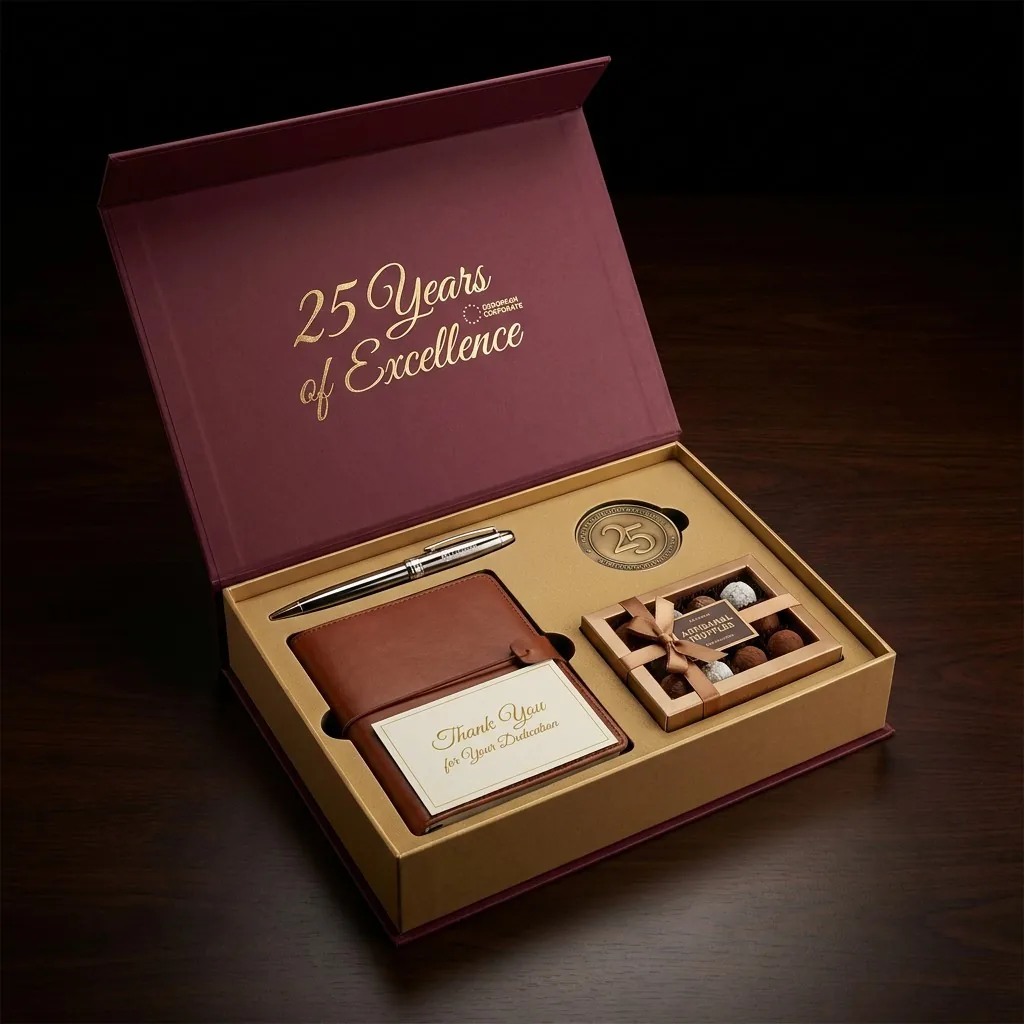
When specifying a luxury rigid gift box, the single most critical structural decision occurs before printing, foil stamping, or magnet placement: selecting the caliper and grammage of the interior greyboard core.
Greyboard (also known as chipboard, bookbinding board, or paperboard backing) provides the solid structural foundation beneath the decorative paper wrap. It dictates whether a magnetic gift box feels rock-solid and substantial or bows inward when handled. Yet brand managers frequently struggle with greyboard specifications, falling into two costly traps: choosing a board that is too thin, resulting in warped lids and collapsed corners during transit; or specifying an excessively heavy board, adding hundreds of kilograms of unnecessary tare weight to international air and ocean freight invoices.
In international manufacturing specifications, board density is quantified either by grammage (grams per square meter, or gsm) or caliper thickness in millimeters (mm). This engineering guide breaks down the performance characteristics of 1.5 mm (1,000 gsm), 2.0 mm (1,200 gsm), 2.5 mm (1,500 gsm), and 3.0 mm (1,800–2,000 gsm) greyboard, helping you specify the exact thickness your product demands without overpaying.
Understanding Greyboard Density: GSM vs. Caliper (Millimeters)
Unlike standard printing papers that are measured strictly by weight, industrial rigid paperboard is formed by multi-ply laminating recycled cellulose fibers under high-pressure calendar rollers. In professional packaging blueprints, weight and thickness correlate closely:
- 1,000 gsm ≈ 1.5 mm thickness: Light rigid board offering good flexibility and clean, thin edge profiles.
- 1,200 gsm ≈ 2.0 mm thickness: The global benchmark for premium retail packaging, combining superior flexural rigidity with balanced unit weight.
- 1,500 gsm ≈ 2.5 mm thickness: Heavy-duty packaging board engineered for large format spans exceeding 250 mm.
- 1,800–2,000 gsm ≈ 3.0 mm thickness: Maximum caliper industrial board designed for heavy luxury spirits, electronics, and heirloom presentation cases.
Higher gsm does not simply mean a heavier package; it delivers higher flexural modulus (resistance to bending) and greater puncture resistance when stacked under pallet compression.
1. 1,000 gsm (~1.5 mm): When Less is More
Specifying 1.5 mm greyboard is optimal when box dimensions are compact and internal merchandise weighs under 500 grams. Because small boxes inherently possess shorter side spans, they achieve structural rigidity through tight perimeter geometry rather than raw wall thickness.
- Ideal Applications: Fine jewelry boxes, wristwatch cases, premium writing instruments, compact cosmetic compacts, and pocket perfume bottles.
- The Core Advantage: Sharp, delicate right-angle V-groove cuts that produce crisp, modern geometric corners without bulky seams. Furthermore, 1.5 mm board keeps tare weight minimal, saving vital postage costs on international direct-to-consumer parcel dispatches.
- When to Avoid: Never specify 1.5 mm board for box lids spanning greater than 200 mm in length, as the expansive surface area will lack adequate beam strength, causing the center of the lid to bow inward when magnetic latches pull tight.
2. 1,200 gsm (~2.0 mm): The Industry Golden Benchmark
If you are unsure which caliper to select, 1,200 gsm (2.0 mm) is the undisputed industry standard. It accounts for more than 70% of all luxury magnetic boxes manufactured for international luxury and DTC retail brands.
At 2.0 mm thickness, the board provides robust compression strength capable of withstanding courier handling while remaining compatible with automated carton-wrapping machinery:
- Beam Strength Across Common Formats: Resists deflection across spans up to 250 × 200 mm, ensuring the top lid stays flat and flush against the front closure flap.
- Magnetic Pocket Routing: 2.0 mm board provides sufficient interior depth for CNC routers to mill precise shallow circular pockets for rare-earth neodymium magnets and steel counter-plates without punching through the reverse face of the board.
- Universal Versatility: Ideal for luxury skincare gift sets, fragrance bottles, designer eyewear cases, consumer tech hardware, and corporate gifting kits weighing between 500 g and 2.5 kg.
Review our custom magnetic boxes specifications to see standard 2.0 mm configurations across book-style and collapsible formats.
3. 1,500 gsm (~2.5 mm): Heavy Formats and Large Spans
As box dimensions exceed 250 mm along any axis, the mechanical rules change dramatically. Even high-density board will experience physical deflection across broad surface areas if the caliper is too thin. This is where 1,500 gsm (2.5 mm) board becomes necessary:
- Spans of 250 mm to 350 mm: Large corporate gift boxes, influencer PR presentation kits, multi-item apparel boxes, and board game collections require 2.5 mm board to prevent lid sag.
- Spine Stability on Hinged Boxes: In three-panel book-style magnetic boxes, the hinged spine absorbs repeated torsional stress every time the box opens. A 2.5 mm spine maintains rigid alignment over thousands of opening cycles.
- Heavy Merchandise Loads (2.5 kg to 5.0 kg): Supports substantial contents without bulging or bottom seam rupture when lifted by the outer perimeter.
4. 1,800–2,000 gsm (~3.0 mm): Extreme Duty and Prestige Heft
Reserved for ultra-luxury merchandise, 3.0 mm greyboard communicates prestige through unmistakable physical mass. When a customer picks up a 3.0 mm box, the immediate heft signals permanent keepsake value:
- Spirits and Champagne Presentation: 750 ml glass liquor bottles weigh 1.5 kg each; gift sets containing two bottles plus crystal glassware demand 3.0 mm board to withstand dynamic drop acceleration during transit.
- Large-Scale Influencer PR Vaults: Oversized trunk boxes and double-door display cases spanning up to 450 mm in width require 3.0 mm board to maintain structural plumbness.
- Review our actual production case study detailing 2,000 large-format corporate gift boxes in 1,800 gsm board delivered on a tight 10-day production timeline.
Comprehensive Greyboard Caliper Comparison Table
| Board Caliper | Approx. Grammage | Recommended Max Span | Max Product Weight | Best Application |
|---|---|---|---|---|
| 1.5 mm | ~1,000 gsm | ≤ 180 mm | ≤ 500 g | Jewelry, watches, pens, cosmetics |
| 2.0 mm (Benchmark) | ~1,200 gsm | ≤ 260 mm | ≤ 2.5 kg | Luxury retail, beauty sets, consumer tech |
| 2.5 mm | ~1,500 gsm | ≤ 350 mm | ≤ 4.5 kg | Large corporate gift hampers, apparel |
| 3.0 mm | ~1,800–2,000 gsm | ≤ 480 mm | ≤ 8.0+ kg | Spirits, glassware, heavy PR presentation vaults |
How Board Thickness Affects International Shipping Freight
When ordering 2,000 to 5,000 custom rigid boxes for export from China, the tare weight of your packaging directly impacts air freight and inland trucking costs. For air freight consignments billed at $4.50 to $7.00 per kilogram, unnecessary board weight adds up rapidly:
- A medium box measuring 280 × 200 × 80 mm in 2.0 mm board weighs approximately 280 grams. A run of 3,000 units equals 840 kg of board tare weight.
- Upgrading that same box unnecessarily to 3.0 mm board increases unit weight to approximately 410 grams. That identical 3,000-unit run now weighs 1,230 kg—an extra 390 kg of tare weight that adds over $2,000 to air freight invoices with zero visual improvement on shelf.
Our packaging engineering team models box dimensions, load distribution, and shipping modes during prepress review to ensure you select the optimum thickness that guarantees structural durability without inflating your freight budget.
Frequently Asked Questions
Can different parts of the same box use different greyboard thicknesses?
Yes. In composite rigid box manufacturing, we frequently specify differential calipers. For example, a heavy 3-panel book-style box may use 2.5 mm board for the outer wrap shell and hinged spine to resist bending, while utilizing 2.0 mm board for the interior base tray to optimize material costs and total parcel weight.
Does greyboard thickness affect the sharpness of the box corners?
Yes. Crisp 90-degree right-angle box corners require V-grooving rather than traditional die-blade creasing. Thicker boards (2.0 mm to 3.0 mm) allow high-speed V-groove blades to carve 90-degree channels into the board core before wrapping, producing sharp, architectural corners that define luxury packaging.
Is greyboard recyclable and eco-friendly?
Yes. Industrial greyboard is manufactured from 100% recycled post-consumer and post-industrial cellulose fibers. When laminated with paper-based wraps and water-based dispersion coatings, the entire rigid box remains completely recyclable in standard municipal waste streams.
What is the production turnaround time for custom greyboard boxes?
We deliver full structural physical printed prototypes in 1–3 business days. Standard volume manufacturing takes 10–15 business days following final artwork proof approval.