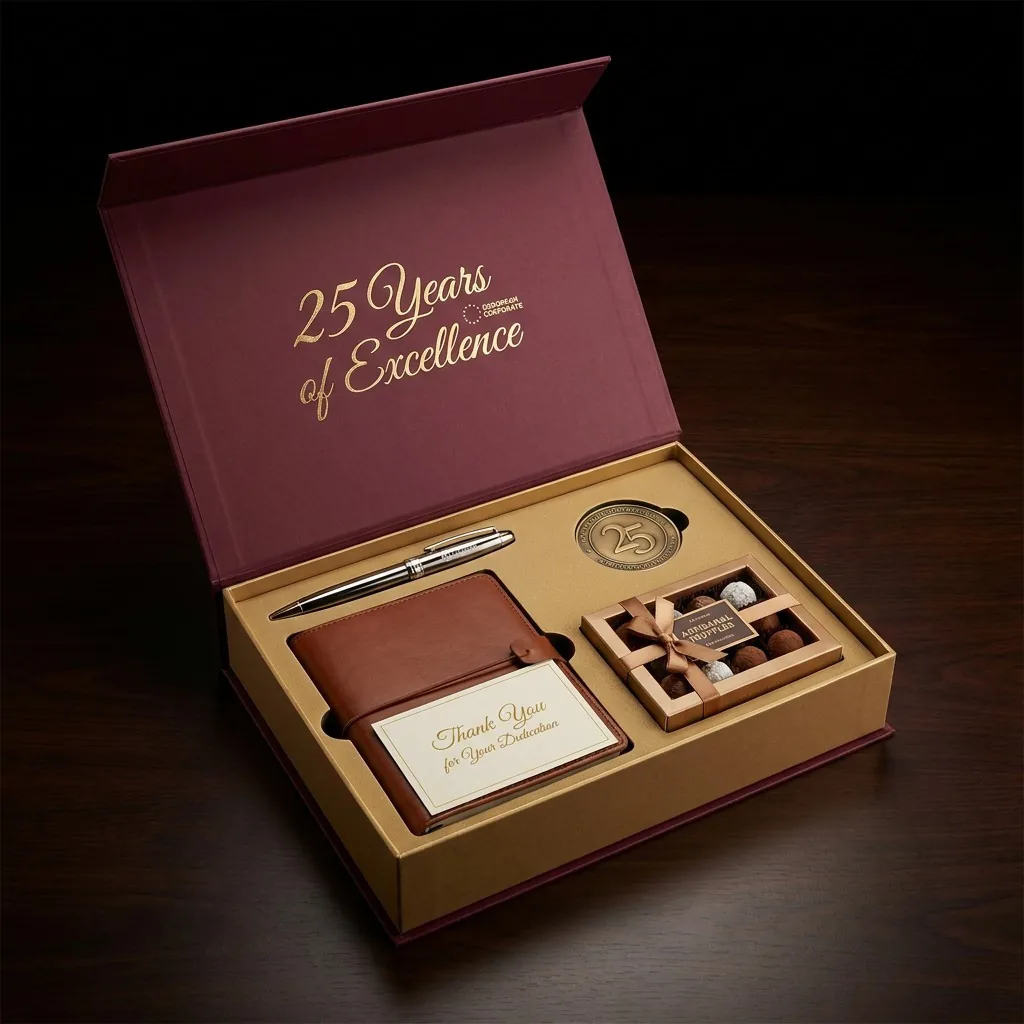
Quick Answer: What Does Custom Packaging Cost in 2026?
There is no fixed price — any supplier who quotes without seeing your specs is guessing. Based on current market data, per-unit costs typically fall into these ranges:
| Box Type | Per-Unit Cost Range |
|---|---|
| Folding cartons | $0.15 – $1.50 |
| Corrugated mailer boxes | $0.50 – $3.00 |
| Drawer boxes | $1.00 – $6.00 |
| Rigid boxes | $1.50 – $8.00 |
| Magnetic gift boxes | $2.00 – $12.00 |
| Luxury jewelry boxes | $3.00 – $15.00+ |
On top of unit cost, expect a one-time setup charge of roughly $150–$500 for dies and printing plates.
But the real question for B2B buyers isn't "What's the unit price?" — it's "What's my total landed cost, including shipping, storage, and damage rates?" That's where the folding carton vs. rigid box decision gets interesting.
1. The 7 Factors That Drive Custom Packaging Cost
① Material
Material typically accounts for 35–50% of total packaging cost. Common choices include SBS paperboard, kraft paper, corrugated board, and greyboard for rigid boxes. Premium textured or FSC-certified papers cost more but elevate brand perception.
② Box Style
Manufacturing complexity varies dramatically:
- Folding cartons — Lowest cost (efficient production, ship flat)
- Corrugated mailers — Medium cost
- Drawer boxes — Medium-high
- Rigid boxes — High (thick greyboard, manual assembly, wrapping)
- Magnetic gift boxes — Premium
③ Dimensions
Size directly drives material usage and shipping efficiency. A larger box means more paperboard, larger printing sheets, more storage space, and higher freight costs. This is critical for B2B — we'll return to this below.
④ Printing
CMYK is standard and economical. Pantone color matching adds cost. Digital printing has lower setup fees (good for small runs); offset printing has higher setup but lower per-unit cost at volume.
⑤ Finishing Processes
Foil stamping, spot UV, embossing, debossing, and soft-touch lamination each add $0.05–$0.50+ per unit. These elevate perceived value but must be justified by product positioning.
⑥ Inserts
| Insert Type | Typical Cost Impact |
|---|---|
| Paperboard (foldable) | $0.18 – $0.35 / unit |
| Molded pulp | $0.25 – $0.60 / unit |
| EVA foam | $0.45 – $1.20 / unit |
| Foam (cut to shape, rigid box) | +$0.50 – $2.00 / unit |
⑦ Order Quantity — The #1 Lever
Quantity is the single biggest factor in unit pricing. For example, a standard 8″ × 6″ × 3″ rigid box:
| Quantity | Simple (wrap only) | Standard (4C + matte lam) |
|---|---|---|
| 500 units | $4.50 – $6.00 | $6.50 – $9.00 |
| 1,000 units | $2.50 – $3.80 | $4.00 – $5.50 |
| 5,000 units | $1.50 – $2.30 | $2.50 – $3.50 |
| 10,000 units | $1.20 – $1.80 | $2.00 – $3.00 |
Increasing from 500 to 5,000 units can reduce per-unit cost by 50–70%.
2. Folding Cartons vs. Rigid Boxes: The Real Cost Comparison
This is where most B2B buyers get tripped up. They compare unit prices and immediately choose folding cartons. But the true cost includes logistics.
The Unit Price Gap
At 5,000+ units, a standard CMYK folding carton in 350 gsm board costs roughly $0.15–$0.50 / unit, while a magnetic rigid box costs $0.80–$3.50 / unit — a 3–8× premium for rigid.
The Collapsible Rigid Box Twist
Here's a nuance many buyers miss: a collapsible rigid box costs 10–15% more to produce than a traditional non-collapsible rigid box of the same size. The extra cost comes from precision scoring, hidden magnets, and special corner wrapping.
However — and this is the key insight for B2B — the collapsible version reduces shipping volume to just 15–20% of the assembled rigid box. That's an 80–85% saving in freight space. See our full breakdown in Folding Cartons vs. Rigid Boxes: A Practical Guide for B2B Buyers.
Real Example: 500 Boxes at 70 × 20 × 1.5 cm
| Format | Per-box calculation | Total (500 pcs) |
|---|---|---|
| Non-collapsible (assembled) | 0.7 × 0.2 × 0.015 = 0.0021 m³ | 1.05 m³ |
| Folding flat (~0.5 cm thick) | 0.7 × 0.2 × 0.005 = 0.0007 m³ | 0.35 m³ |
Volume saved: 0.7 m³ (66.7% reduction). For larger boxes — say 30 × 20 × 15 cm — the saving jumps further. On international sea freight, that difference often exceeds the 10–15% production premium for the foldable version. Net result: collapsible rigid boxes can reduce total cost (including logistics) by 15–25% versus traditional rigid boxes.
3. When Small Sizes Make Folding Unnecessary
If your box is under 15 cm in all dimensions, the shipping savings from folding become marginal. A small rigid box already occupies minimal space, so the 10–15% production premium for foldability isn't justified.
Rule of thumb: For boxes < 15 cm, use standard rigid boxes. For boxes > 25 cm in any dimension, strongly consider folding or collapsible designs.
4. The Insert Dilemma: Foam vs. Paper
Many products require inserts for protection. Here's the critical constraint: traditional EVA or pearl cotton (EPE) foam inserts cannot be folded. Once glued into a rigid box, the entire assembly is permanently bulky and non-collapsible.
The solution: paper-based inserts (die-cut cardboard, corrugated, or molded pulp) that fold flat alongside the box. But this requires real engineering — designing a paper insert that matches foam's protective performance while remaining foldable is a true test of a packaging factory's capabilities.
| Insert Type | Cost at 500 units (incl. tooling) | Foldable? |
|---|---|---|
| EVA foam insert | ~$15 – $25 per insert | ❌ No |
| Paperboard insert | ~$5 – $10 per insert | ✅ Yes |
For 500 units, switching from EVA to paper inserts saves $5,000–$7,500. And paper inserts allow the entire package to fold flat — stacking the insert savings on top of the shipping volume savings.
Important caveat: For high-value, fragile, or heavy products (e.g., electronics, glassware), EVA's superior cushioning may justify its cost by reducing damage rates. One cross-border seller reported that switching to paper inserts increased return rates by 12% due to transit damage. Match the insert to your product's fragility and value.
5. Durability: The Hidden Cost of Assembled Rigid Boxes
Non-collapsible rigid boxes are assembled and hollow during transit. Stacked in a shipping container, they're prone to denting, crushing, and deformation — damage rates can reach 5% for poorly packed shipments.
Folding cartons, shipped flat in dense bundles, resist compression far better. Once erected, they also tend to be more structurally robust. Flat-packed folding cartons also take up 85% less warehouse space before assembly — a massive advantage for importers storing inventory.
6. Aesthetics: The 10% Premium Trade-Off
Folding cartons are inherently a compromise. Scored folds, visible creases, and seam lines mean they rarely match the seamless premium feel of a rigid box. For luxury goods, cosmetics, jewelry, and electronics, this visual difference directly impacts perceived value.
Quick Decision Guide
| Your priority | Recommended choice |
|---|---|
| Brand perception is critical | Rigid boxes — accept the higher unit cost |
| Logistics cost is critical | Folding or collapsible rigid boxes |
| Product is small & durable | Standard rigid box — no folding needed |
| Product is large or exported internationally | Collapsible rigid box with paper insert |
7. Summary: How to Estimate Your Custom Packaging Cost
- Calculate shipping volume: L × W × H (in meters) × quantity = total assembled volume
- Compare collapsible vs. assembled: if folding saves > 50% space, the 10–15% unit premium pays for itself
- Choose insert material: paper if foldability matters, foam if product fragility demands it
- Determine order quantity: larger runs dramatically reduce per-unit cost
- Add setup fees: $150–$500 for dies and printing plates (one-time)
- Factor in freight: folding saves 60–85% on shipping volume
- Include damage rate: properly packed flat-packed boxes: <0.3%; assembled hollow boxes in poor packing: up to 5%
Realistic Budget by Product Retail Price
| Product Retail Price | Recommended Packaging Budget | What You Can Afford |
|---|---|---|
| $10 – $20 | 3–10% of retail | Basic folding carton, 1-color print |
| $30 – $50 | 3–10% of retail | Good folding carton with lamination, or simple rigid box |
| $80+ | 3–10% of retail | Rigid box with magnetic closure, insert, good finishes |
| $100+ | 3–10% of retail | Premium rigid box, multiple finishes, custom insert |
Final Thoughts
The true cost of custom packaging is never just the unit price. For B2B buyers, total landed cost = unit price + shipping + storage + damage losses. Folding cartons and collapsible rigid boxes often win on total cost for large or exported products, while standard rigid boxes remain superior for small, high-value, aesthetics-driven items.
When you need foam inserts, ask your supplier about foldable paper-based insert designs — not every factory can engineer them, but the savings in shipping volume plus insert cost can be substantial.
At JD Packaging, we specialise in both rigid boxes and folding packaging for B2B clients worldwide. We'll calculate your exact shipping volume, design custom paper inserts if needed, and provide transparent pricing that accounts for the full logistics chain — not just the box itself.