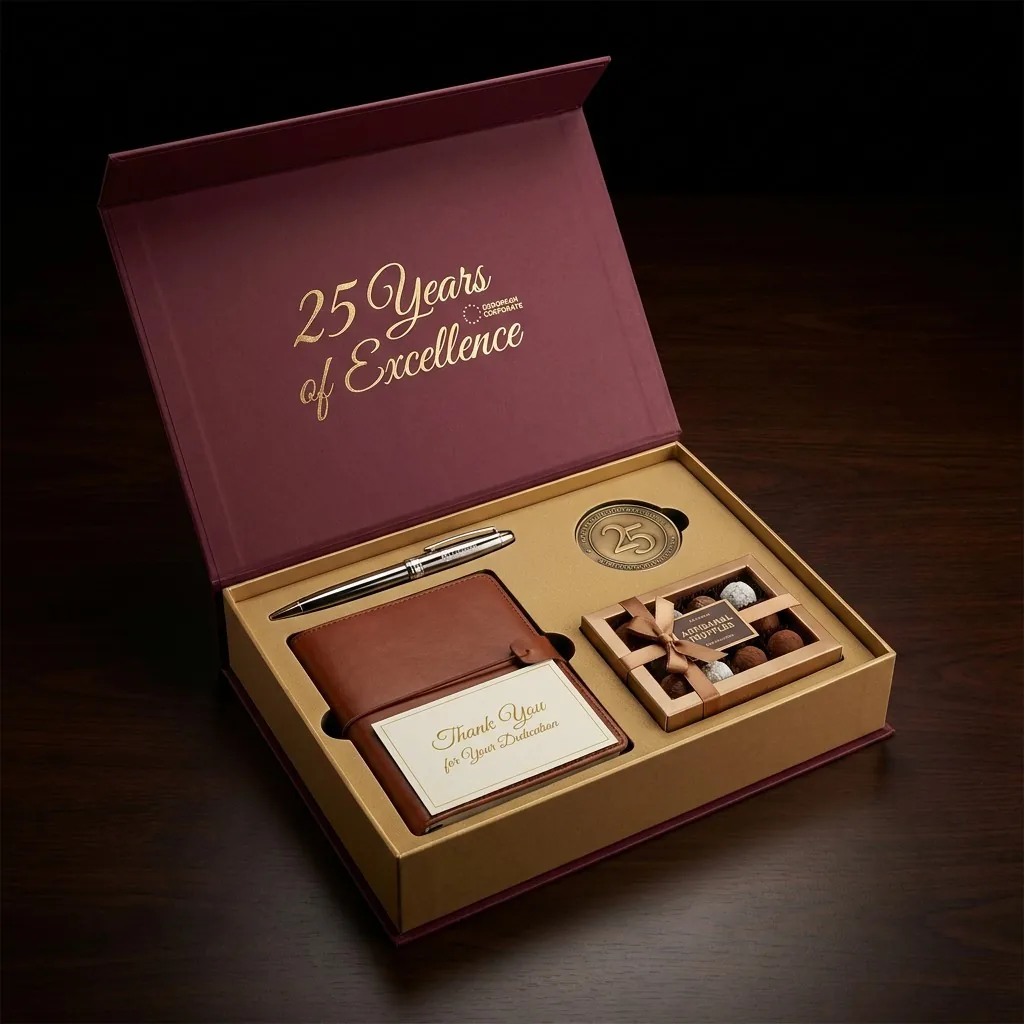
For premium consumer brands, custom rigid gift boxes deliver the ultimate unboxing experience. The solid heft, crisp 90-degree edges, and tactile snap of hidden magnetic closures signal luxury before a customer even handles the product inside.
Yet for international buyers importing packaging from overseas factories, traditional non-collapsible rigid boxes create a severe logistical obstacle: you are paying international freight carriers to transport empty air.
A classic pre-assembled rigid box occupies the exact same cubic volume whether it contains a luxury perfume bottle or nothing at all. Across an ocean shipping container or air cargo shipment of 2,000 to 5,000 units, the volume consumed by empty boxes can easily double or triple your landed packaging costs.
The collapsible magnetic box (also known as a foldable rigid box or flat-pack magnetic box) was engineered specifically to solve this financial dilemma. By incorporating precision diagonal scores and integrated corner adhesives, collapsible structures ship completely flat while snapping into permanent, rigid luxury containers on your packing line.
This guide provides an engineering-level comparison between collapsible and traditional non-collapsible rigid boxes, detailing the structural mechanics, volume-reduction mathematics, and operational trade-offs so you can specify the right box structure for your brand and budget.
The Core Dilemma: Luxury Presentation vs. Shipping Air
When direct-to-consumer (DTC) brands transition from basic corrugated mailers to luxury rigid presentation boxes, the first unexpected shock is rarely the unit manufacturing price—it is the freight quote.
International ocean carriers bill ocean freight by Cubic Meters (CBM), while air cargo and express parcel couriers (DHL, FedEx, UPS) charge based on Dimensional Weight (Length × Width × Height ÷ 5000 in cm, or ÷ 139 in inches).
Consider an e-commerce gift box measuring 320 × 240 × 100 mm:
- When shipped as a traditional pre-assembled rigid box, each unit occupies 0.00768 CBM. A batch of 2,500 boxes consumes 19.2 CBM—filling nearly an entire 20-foot shipping container (28 CBM usable capacity) with empty air.
- When engineered as a collapsible magnetic box, the same box folds flat to a thickness of approximately 15 mm. The same 2,500 units occupy just 2.88 CBM—slashing required ocean container volume by up to 70% and dramatically lowering your warehouse pallet storage footprint.
For brands relying on air cargo to meet tight product launch windows, reducing volume by 60% to 70% can easily save thousands of dollars per dispatch, tipping an unfeasible project into immediate profitability.
Structural Mechanics: How Collapsible Magnetic Boxes Function
To deliver true luxury appeal, a collapsible box cannot look or feel like a flimsy temporary carton. It must maintain the structural integrity and clean lines of a permanent setup box once assembled.
The Anatomy of a Foldable Rigid Box
A premium collapsible box is constructed from three integrated mechanical elements:
- Precision-Scored Greyboard Panels: Built from dense, high-caliper 1,200 gsm to 1,500 gsm (~2.0 mm to 2.5 mm) greyboard. The side walls feature precision 45-degree diagonal V-grooves that allow the perimeter panels to fold inward without stressing the outer laminated wrap paper.
- Hidden Neodymium Magnetic Latches: Sintered rare-earth neodymium (NdFeB) disc magnets are embedded into die-cut recesses inside the front flap and box base before paper wrapping. When closed, the hidden magnets pull together with a crisp, audible tactile snap.
- Four High-Bond Corner Adhesive Tabs: The interior corners of the side walls incorporate peel-and-stick adhesive strips protected by release liners. During warehouse fulfillment, removing the four paper liners and pressing the walls together forms a permanent, tamper-proof mechanical bond.
Once the corner adhesives engage, the collapsible box becomes a permanent rigid structure. The recipient experiences the same unboxing ritual as a traditional book-style rigid box, completely unaware that the package arrived at the fulfillment warehouse as a flat sheet.
Comparative Specifications: Collapsible vs. Traditional Rigid Boxes
| Parameter | Collapsible Magnetic Box | Traditional Rigid Box |
|---|---|---|
| Base Core Material | 1,200 to 1,500 gsm (~2.0–2.5 mm) Greyboard | 1,200 to 2,000 gsm (~2.0–3.0 mm) Greyboard |
| Shipping State | 100% Flat-Packed (<15 mm thickness) | Pre-Assembled 3D Rigid Form |
| Freight Volume Savings | Up to 70% reduction in CBM / DIM Weight | None (100% full cubic air space) |
| Warehouse Storage | Up to 4× more units per pallet | High racking volume required |
| Assembly Time | 5 to 8 seconds (peel 4 liners & snap) | 0 seconds (ready to pack out of carton) |
| Max Product Weight | Up to 3.5 kg with standard corner adhesives | Up to 8.0+ kg (solid solid sidewalls) |
| Corner Seams | Discrete 45-degree diagonal join seams | Completely seamless, wrapped solid corners |
| Total Landed Cost | Significantly lower when shipping overseas | Higher landed cost due to sea/air freight |
Unboxing Experience: Does Collapsible Compromise Quality?
A frequent concern among luxury brand managers is whether a foldable structure diminishes the perceived value of their brand.
The answer depends entirely on the quality of engineering:
- Greyboard Density: Low-cost knockoffs use 800–1,000 gsm lightweight chipboard that flexes when assembled. We specify high-density 1,200 gsm to 1,500 gsm greyboard, ensuring the sidewalls remain perfectly plumb and rigid under stacking loads.
- Wrap Paper Bending: If the outer wrap is too thin, diagonal fold lines will crack and expose raw board beneath. We laminate premium 157 gsm coated art paper, virgin kraft, or dyed-through specialty textured papers treated with anti-scratch matte lamination to guarantee crack-free folding across thousands of flex cycles.
- Corner Precision: Cheaper collapsible boxes leave unsightly 1–2 mm gaps at the corners. High-precision CNC dieline cutting ensures the 45-degree corner flaps meet flush, leaving an almost invisible hairline seam once pressed into place.
For 95% of retail applications—including premium apparel, luxury beauty kits, corporate onboarding hampers, and bespoke electronics—a well-engineered collapsible box delivers an unboxing experience indistinguishable from a conventional setup box.
When to Choose Non-Collapsible vs. When to Choose Collapsible
Neither format is universally superior. Your packaging specification should be guided by your product weight, logistics model, and fulfillment throughput:
Choose Collapsible Magnetic Boxes When:
- You are importing internationally via sea or air: If you ship from manufacturing facilities in China to warehouses in the United States, Europe, or Australia, freight savings will dwarf any minor assembly labor.
- Warehouse storage space is constrained or expensive: 3PL fulfillment providers charge monthly fees per pallet position. Storing 5,000 flat-packed boxes on two pallets instead of eight pallets delivers immediate recurring operational savings.
- Products weigh under 3.5 kg: Collapsible boxes handle apparel, cosmetics, tech accessories, books, and gift hampers effortlessly.
- Your box format is medium to large: The volume-reduction advantage accelerates rapidly as box dimensions exceed 200 × 150 × 60 mm. Explore our dedicated magnetic & luxury gift box options for custom sizing.
Choose Traditional Non-Collapsible Rigid Boxes When:
- Shipping heavy, concentrated loads (over 4–5 kg): Heavy spirits bottles, luxury stoneware, bronze sculptures, and industrial instruments require solid 2.5 mm to 3.0 mm un-scored greyboard to resist outward hydraulic burst pressure.
- Packing speed is the sole warehouse bottleneck: If your fulfillment facility runs automated conveyor lines where workers have zero seconds to peel corner release liners, pre-assembled boxes eliminate handling steps.
- The box requires round corners or complex sculptural geometry: Oval, circular, or multi-tiered shoulder-and-neck boxes with stepped internal collars cannot be folded flat and must be built as rigid three-dimensional forms.
Real-World Freight Mathematics: A Worked B2B Example
To illustrate the economic difference, let's examine a real production order for an e-commerce lifestyle brand ordering 2,000 custom magnetic gift boxes:
- Internal Dimensions: 300 × 220 × 100 mm (11.8 × 8.7 × 3.9 inches)
- Destination: Port of Los Angeles (US West Coast) from Shenzhen Port, China
Cost Breakdown Comparison
Traditional Pre-Assembled Rigid Box: Packed 10 boxes per master shipping carton: 630 × 460 × 520 mm = 0.150 CBM per carton. 200 master cartons = 30.0 CBM total shipment volume. Total ocean freight + port handling + inland drayage: ~$4,200 – $5,400.
Collapsible Flat-Packed Magnetic Box: Packed 20 flat boxes per master shipping carton: 640 × 480 × 260 mm = 0.080 CBM per carton. 100 master cartons = 8.0 CBM total shipment volume. Total ocean freight + port handling + inland drayage: ~$1,350 – $1,800.
Net Logistics Savings: ~$2,850 to $3,600 on freight alone, reducing landed per-unit packaging cost by over $1.40 to $1.80 per box.
Warehouse Fulfillment: 5-Second Assembly Best Practices
To ensure rapid, ergonomic box assembly that keeps pace with high-velocity fulfillment packing benches, warehouse operations teams should establish a standardized three-step assembly routine:
- Pre-Flex the Score Lines: Before peeling the adhesive release backing, warehouse staff should gently fold the four perimeter panels upward and inward along their diagonal score lines. This momentary pre-break eliminates the initial manufacturing stiffness of the laminated surface wrap, allowing the board to square up effortlessly.
- Peel the Four Corner Liners: Expose the four high-tack acrylic adhesive pads located at the outer corner flaps. For maximum bench efficiency, staff can peel all four liners in a single continuous two-handed motion.
- Square and Apply Direct Pressure: Pull the sidewalls up to a crisp 90-degree angle, bring the corner flaps together, and apply firm, direct thumb pressure against each corner for two full seconds. The high-bond acrylic adhesive creates an instant, irreversible bond that resists outward stress throughout transit.
- Ergonomic Bench Staging: In high-volume operations, staging pre-assembled boxes 15 to 30 minutes ahead of scheduled pick-and-pack waves ensures assembly time never bottlenecks carton throughput. Because assembled boxes retain their structural rigidity, they can be stacked 10 to 12 units high on bench shelving without corner collapse.
FAQ
Can collapsible magnetic boxes include custom protective inserts?
Yes. Collapsible magnetic boxes accommodate the full range of custom inserts—including precision die-cut EVA foam, molded sugarcane pulp, folded cardstock dividers, and satin-lined trays. Depending on your workflow, inserts can ship pre-installed inside the flat-packed sleeves or packed separately in bulk master cartons for bench assembly.
Will the adhesive corner tabs lose strength in cold or humid warehouses?
We utilize industrial-grade, solvent-based acrylic adhesives formulated specifically for extreme temperature resistance (-15°C to +60°C). Unlike cheap hot-melt glues that become brittle in winter or gummy in summer, our high-bond transfer tapes maintain permanent corner hold throughout international transit and multi-year warehouse storage.
What is the minimum order quantity (MOQ) for custom collapsible boxes?
Our production MOQ starts from 200 pieces. We offer full custom sizing, bespoke exterior and interior offset printing (CMYK and Pantone), hot foil stamping, and custom-cut internal inserts starting at this accessible threshold.
How long does it take to produce printed samples?
We deliver fully finished structural physical samples in 1–3 business days. Once your team approves the printed prototype and dielines, volume production is completed in 10–15 business days.